Project overview
Client
Carey Olson
Industry
Legal services
Service
Word
Let’s streamline law proposals.
Brief
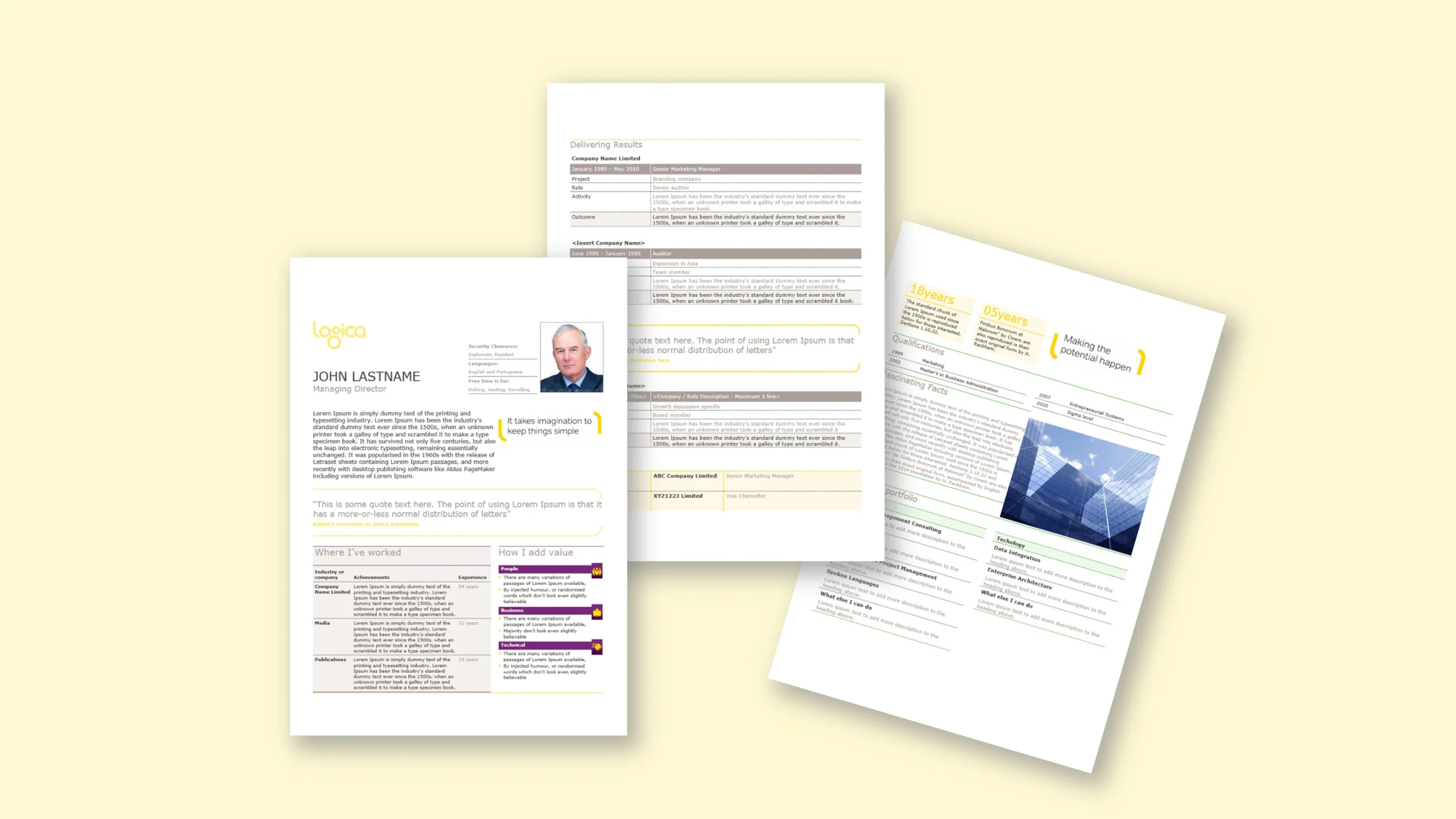
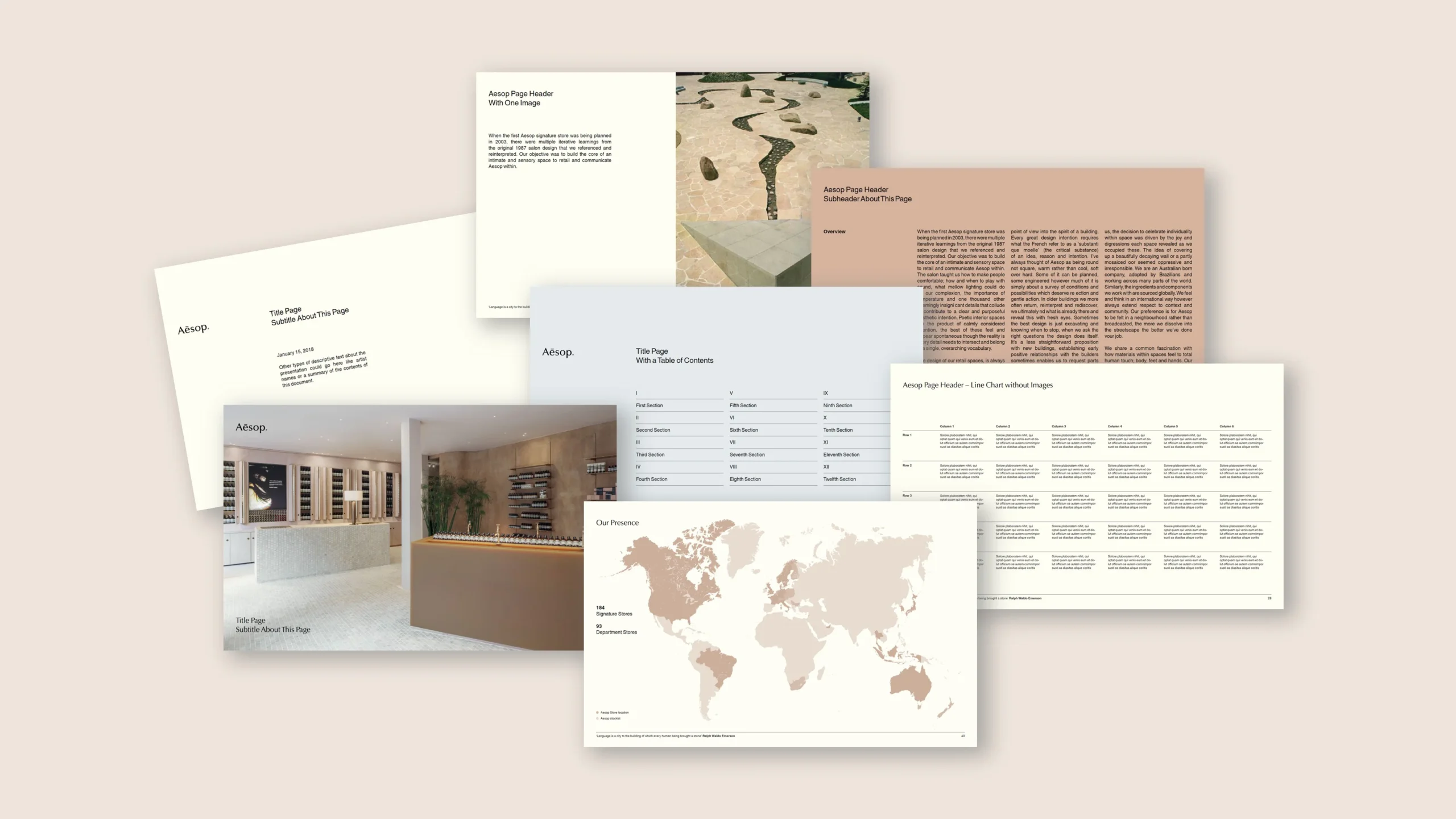
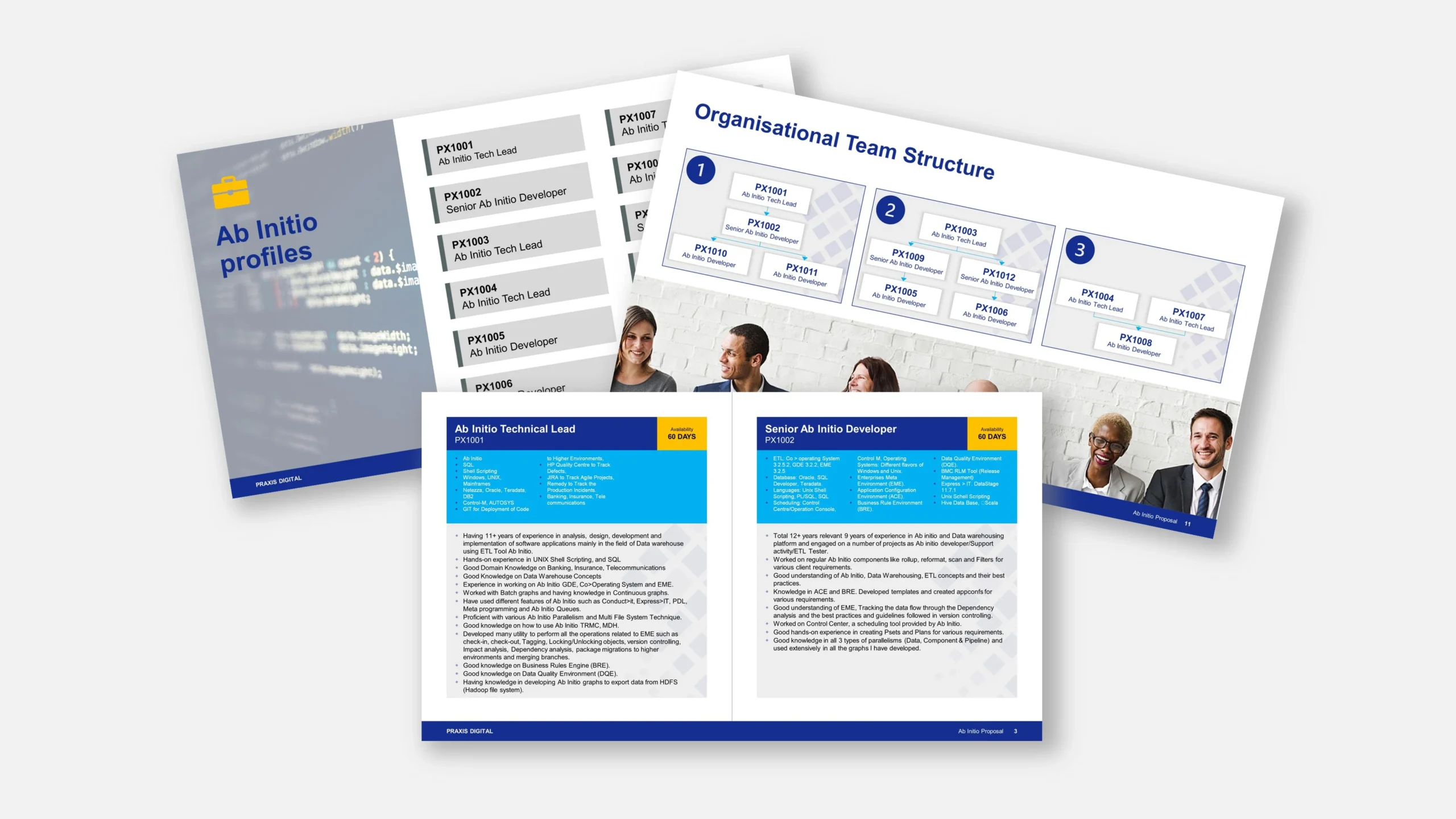
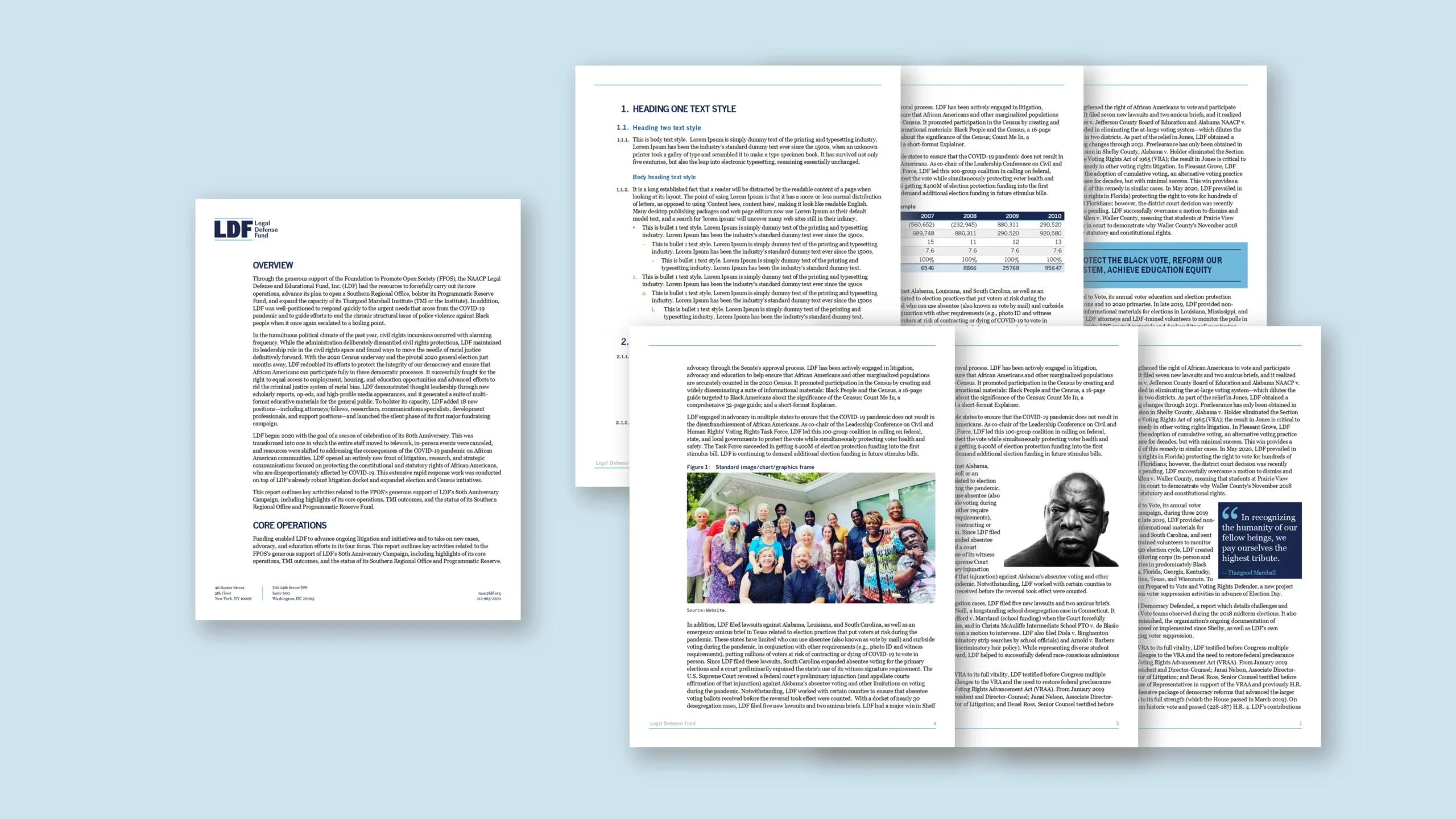
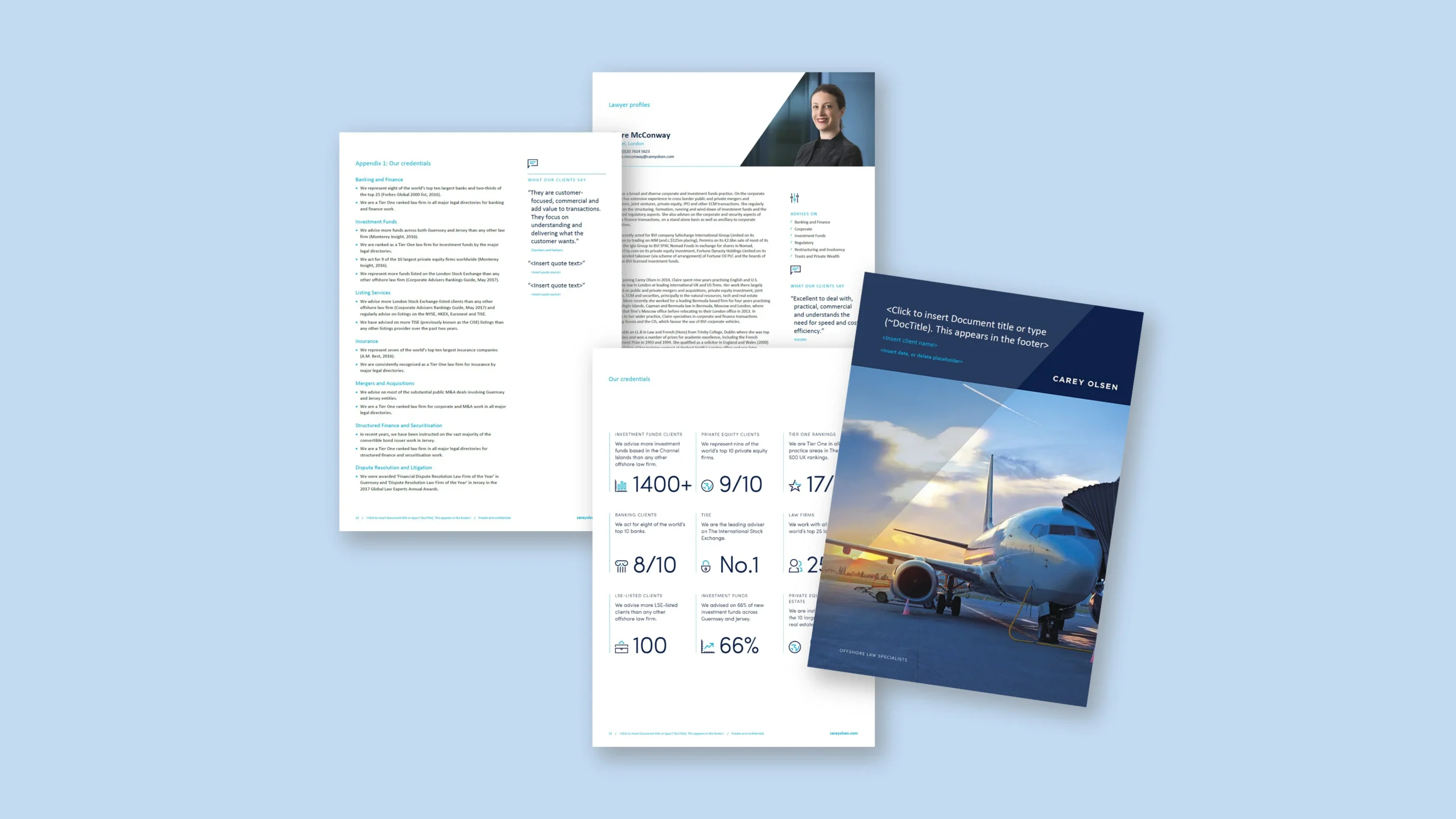
Carey Olson needed a Word proposal template that lawyers could use quickly for Requests for Proposal—without risking layout drift. The original concept came from a design agency; our task was to enhance and harden it for Microsoft Word, maintaining the crafted look while making everyday edits effortless. Each page represents a defined section (introduction, scope, team, timelines, commercials, terms, case studies), prefilled with sample copy and prompts so authors know what to replace. The goal was to deliver a polished, InDesign-level appearance that remains stable when non-designers edit text. Because proposals are time-sensitive, the template had to export cleanly to PDF and print, with consistent headers/footers and page numbering. Above all, the system must let users “change a little, ship a lot”: adjust names, dates and scope details while the overall design stays intact—every time.
Approach
We rebuilt the document as a disciplined, style-driven Word file. Theme fonts/colours, multi-level numbering and an anchored grid ensure headings, lists and tables keep their spacing. Section “masters” were implemented via content controls and Quick Parts so editors insert or swap standard sections in one click. We set protected regions that preserve key layout elements (cover motifs, dividers, callouts) while leaving body areas fully editable. A field system (document properties, references, dates) updates client names and metadata across sections; cross-references keep contents, figures and appendices synchronised. Tables use brand-aligned table styles with accessible contrast and legible numerals. We added discreet helper notes visible in edit view, plus a short usage panel explaining how to duplicate sections, update fields and generate the PDF. Headers/footers carry dynamic page numbers and proposal IDs; print presets and margin controls produce neat output on common paper sizes. The result keeps the agency’s aesthetics but runs on Word’s native features—robust for frequent reuse.
Outcome
Lawyers now assemble proposals by changing only what matters—names, dates and specifics—while the layout stays pristine. The style system prevents drift, Quick Parts speed section assembly, and field-driven metadata reduces errors. PDFs export cleanly with consistent pagination and branding, so submissions look as if they were typeset in InDesign, yet remain fully editable in Microsoft Word. Turnaround is faster, rework is lower, and non-designers can produce confident, on-brand RFPs.